Sunflowers, Shipwrecks and a Lighthouse That Never Worked: A Field Guide to Sunflower Surprise 2026
What do a lighthouse that never guided a ship, a flower that isn't Portuguese and a treasure ship lost off Sumatra in 1511 have in common?
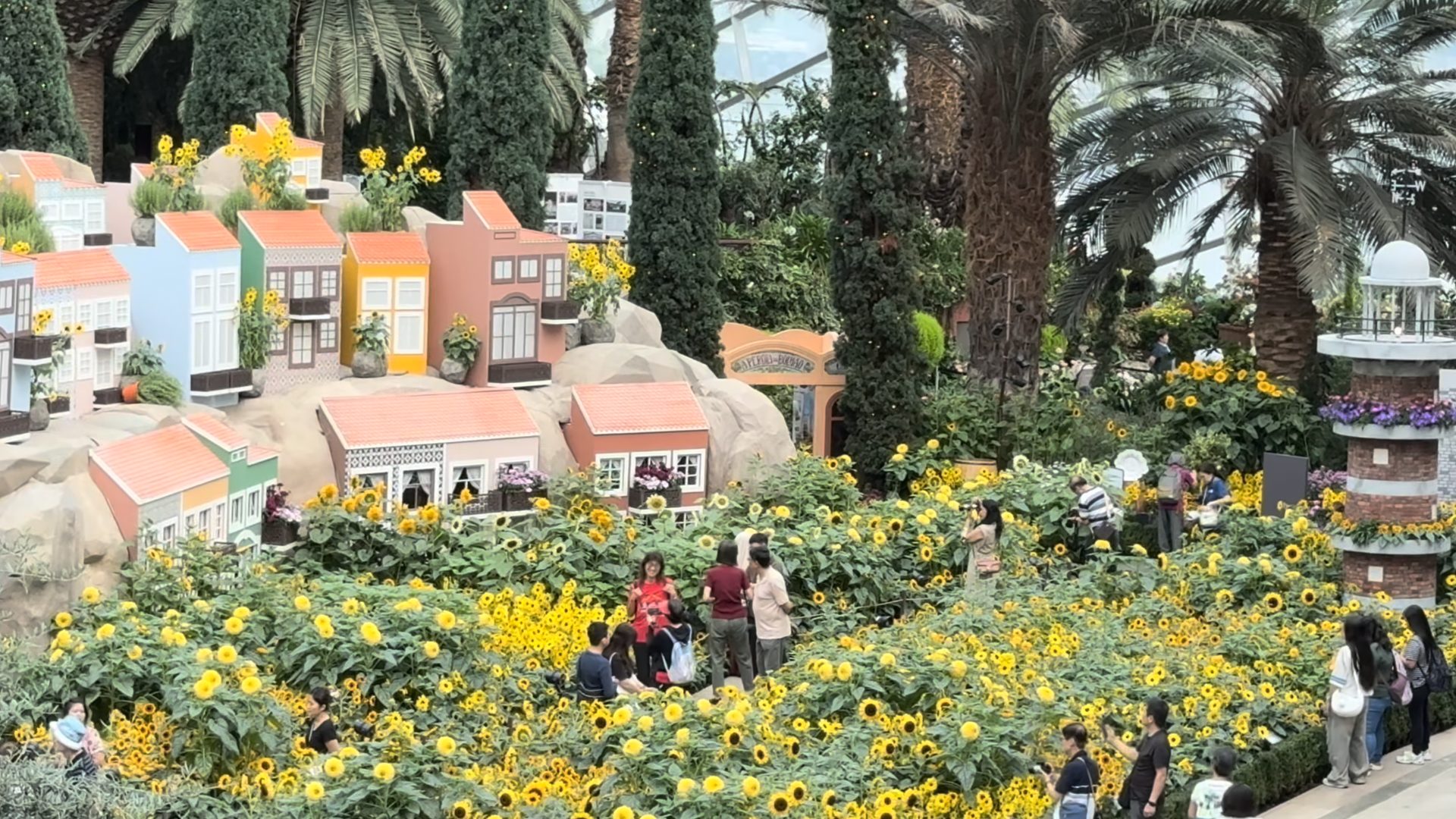
All three turn up, one way or another, at Sunflower Surprise: Garden by the Ocean, the Flower Dome's first Portugal-themed floral display. It runs at Gardens by the Bay until Monday, 9 November 2026.
Most write-ups stop at "5,000 sunflowers and colourful houses". We read every panel and came out with a list of things most visitors walk straight past. (Portugal's story in Singapore doesn't end at the dome door, either. More on that at the end.)
First, a plot twist: the sunflower isn't Portuguese
Sunflowers are native to North America, and Spanish explorers carried the seeds to Europe around 1500. So the star of a show about Portugal's seafaring age is itself a souvenir of that age, which makes "Garden by the Ocean" a better name than it first sounds.
Six sunflowers to find
Gardens by the Bay says the 5,000-plus blooms span 20 varieties.
- The giants. 'Gold Lite': golden petals, a green-gold centre, up to 1.8m tall.
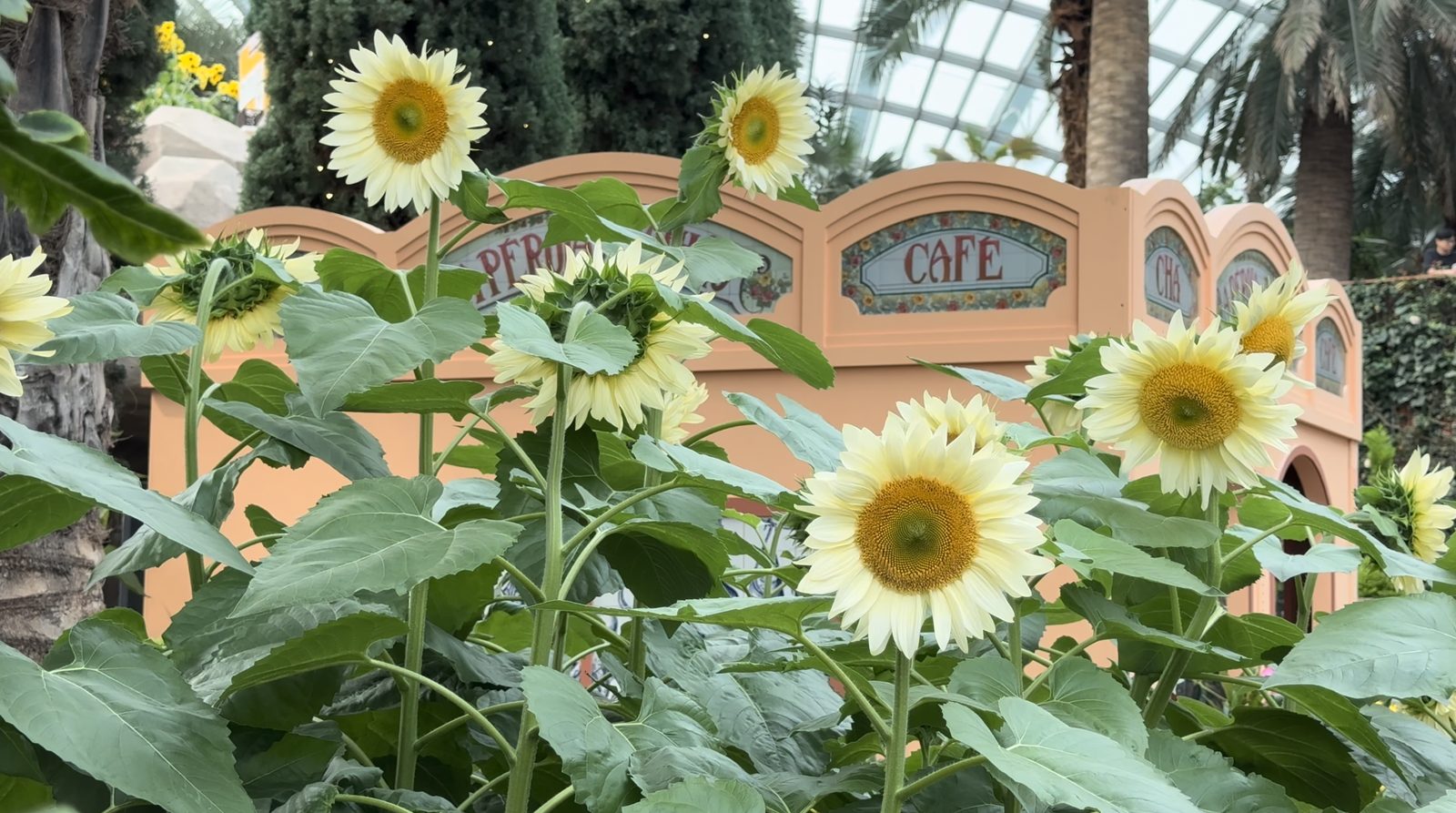
- The pale ones. Cream blooms stand out against the classic gold. 'White Nite' has a near-black centre; we also found cream ones with golden centres beside the Porto shopfront.
- The red ring. 'Sunfinity Red': a burgundy halo around the dark centre. Look for it in the main field.
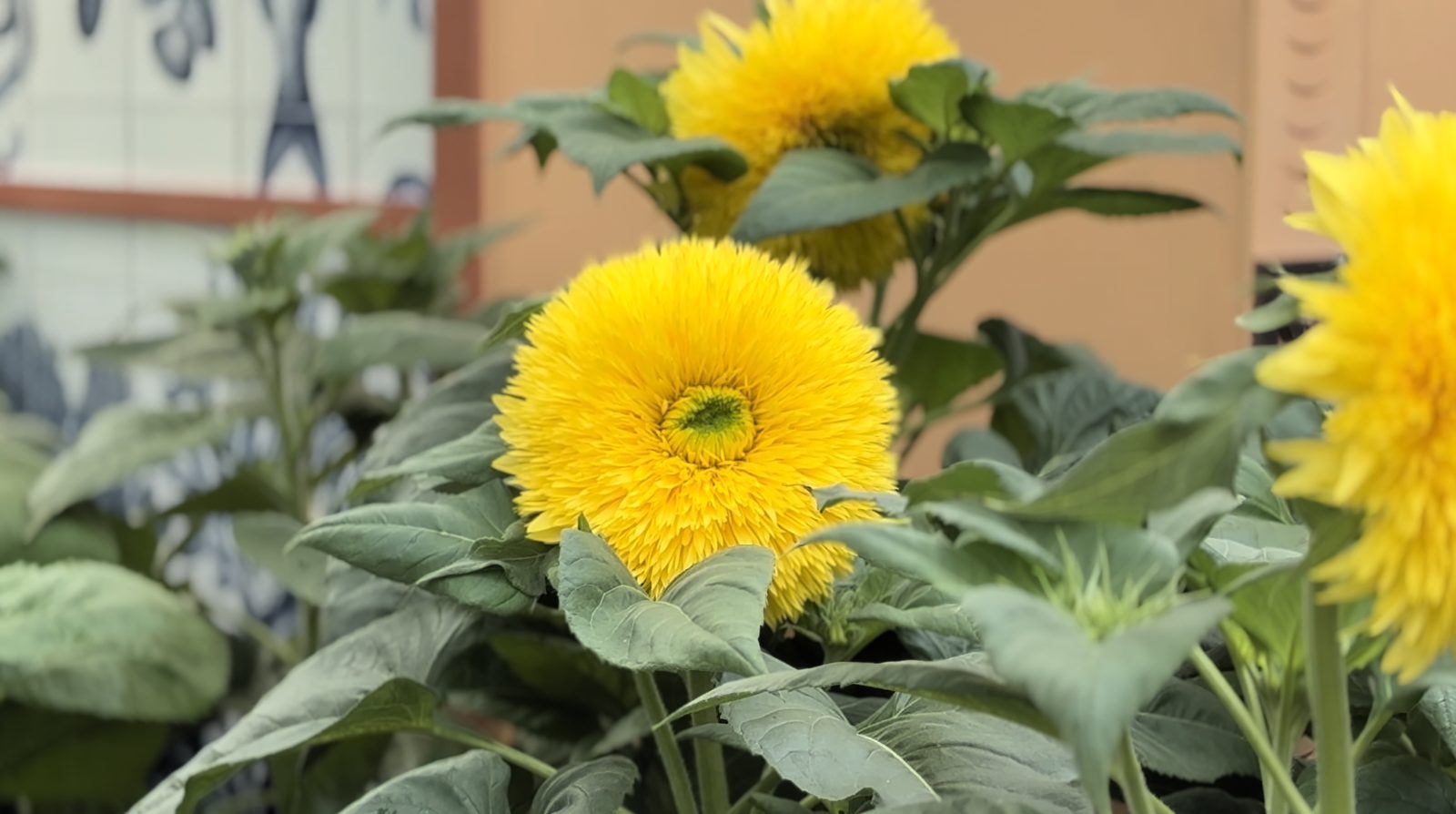
- The teddy bears. Fully double pom-poms with no visible centre.
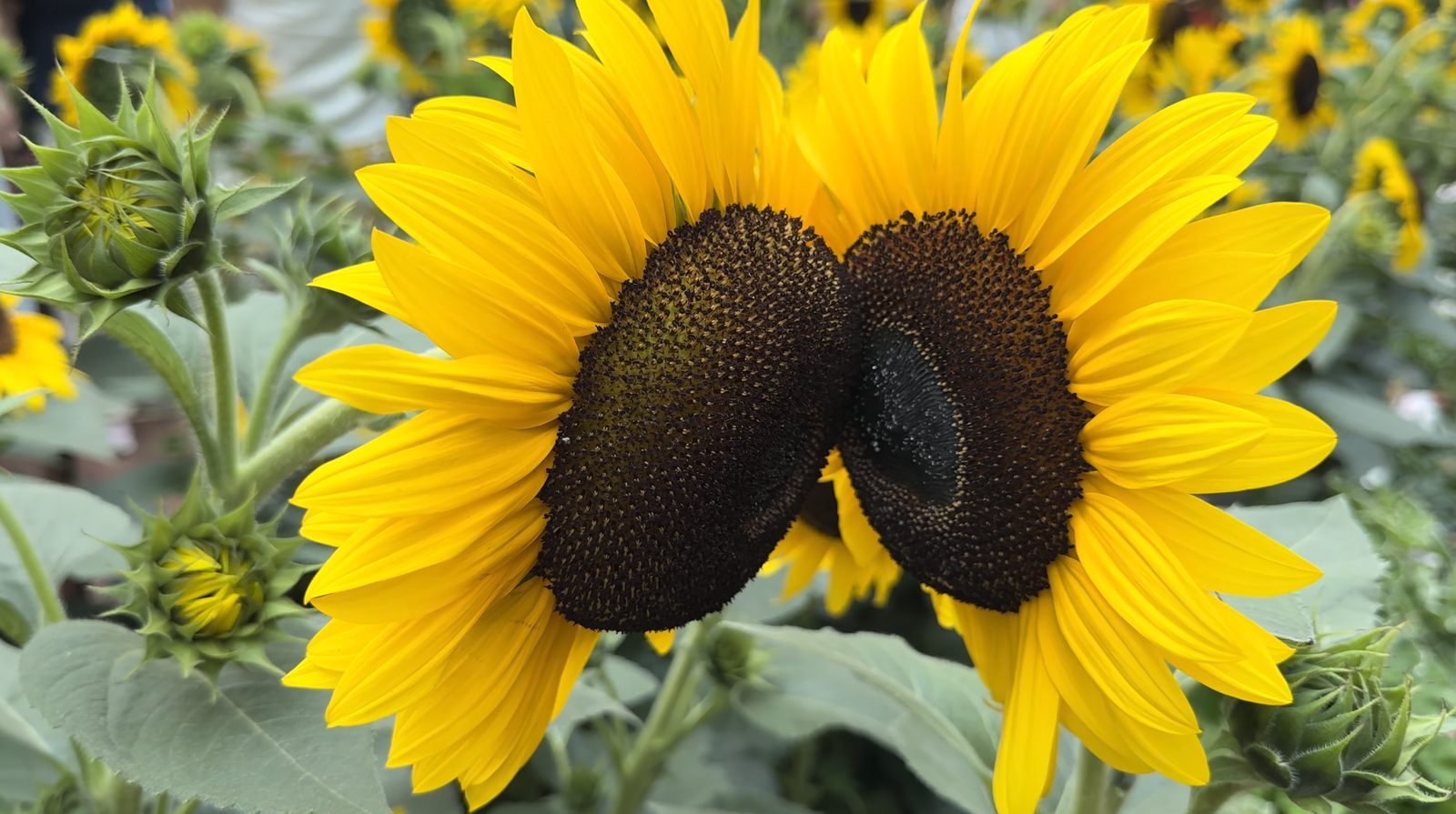
- The conjoined twin. We found one bloom with two centres fused side by side. That's fasciation, a harmless growth glitch. Blooms are usually refreshed during the run, so check the crowded beds.
- The impostors. Low mounds of small yellow flowers with dark eyes and lobed leaves look like chrysanthemums doing an impression. Check the labels.
Why aren't they all facing the same way?
In a field, mature sunflowers settle facing east. A 2016 study in Science found east-facing heads warm faster in the morning and draw about five times more pollinators. Under a glass dome there's no sunrise side, and most heads appear angled towards the paths, so front-facing photos are easy.
The set pieces, decoded
Almost every structure in the dome copies something real in Portugal. Here's what each one is, and the detail worth stopping for.
Alfama, Lisbon
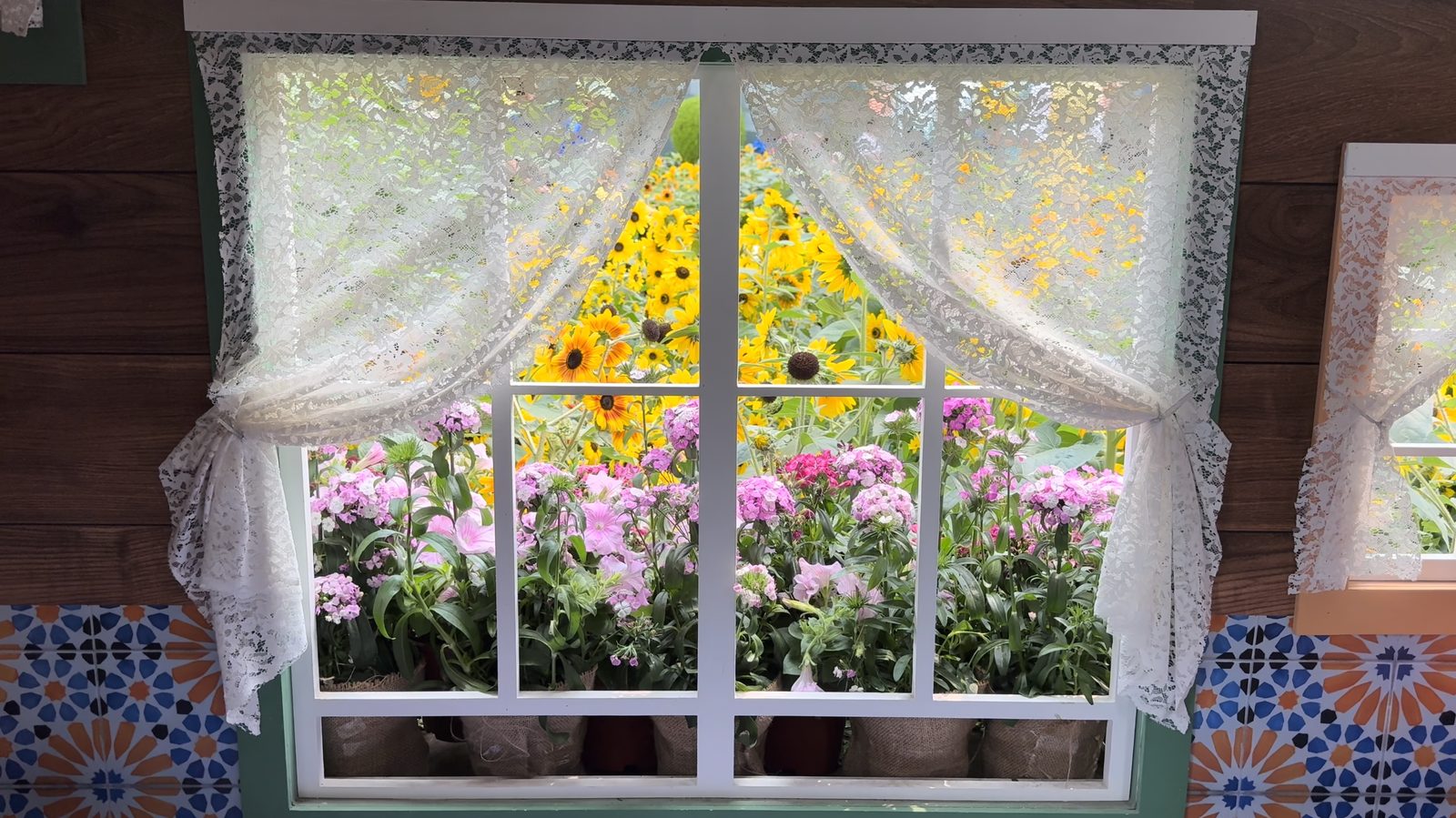
A 12m-long, multi-tiered recreation of one of Lisbon's oldest neighbourhoods. See it first from the higher walkway above the Flower Field, where it reads as a real hillside village. Then walk through and look out of the lace-curtained windows at the sunflowers.
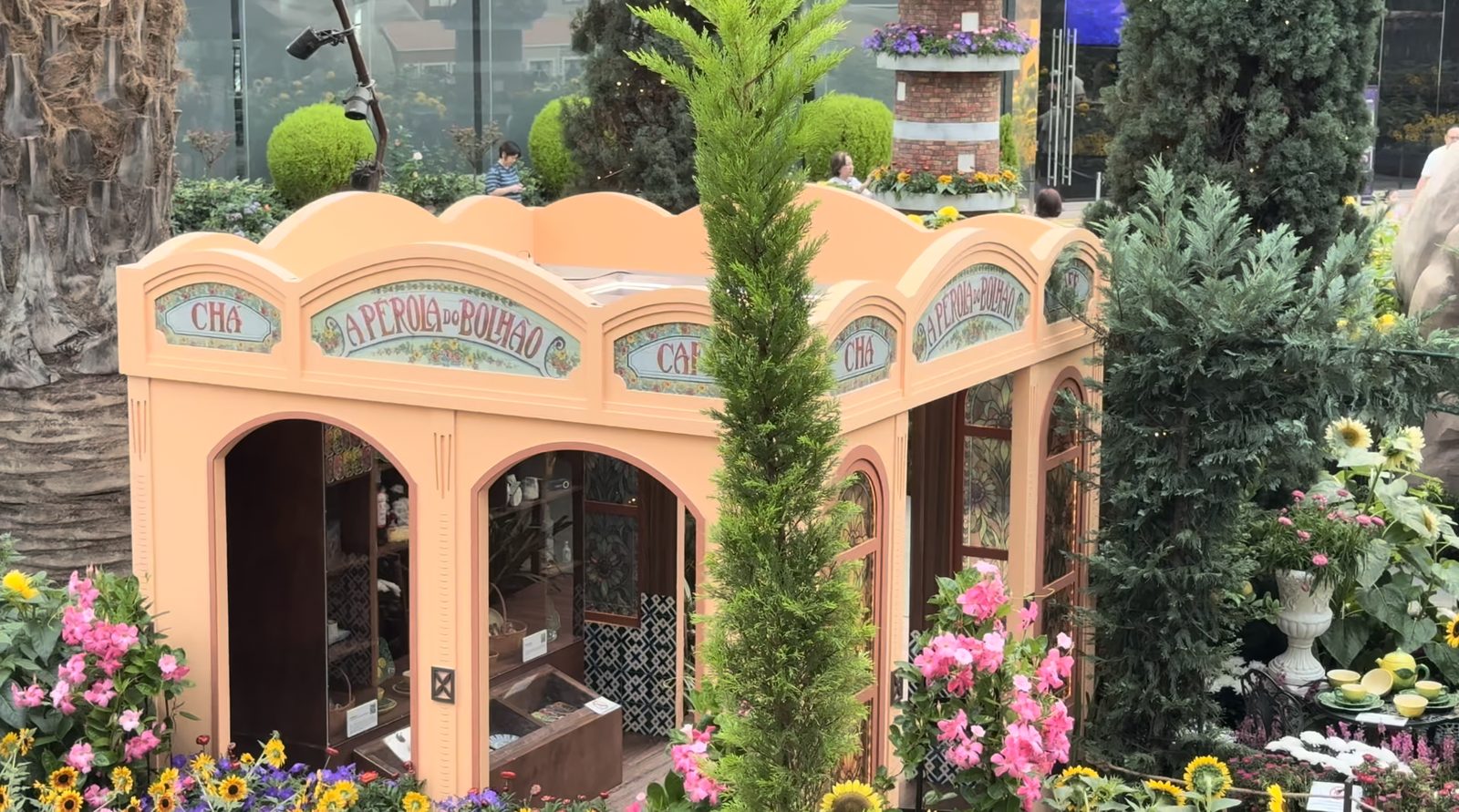
A Pérola do Bolhão, Porto
The "CHÁ" (tea) and "CAFÉ" shopfront copies a real Porto grocery founded in 1917. Its Art Nouveau facade shows women holding tea and coffee plants. In the dome version, look up at the stained-glass sunflower ceiling.
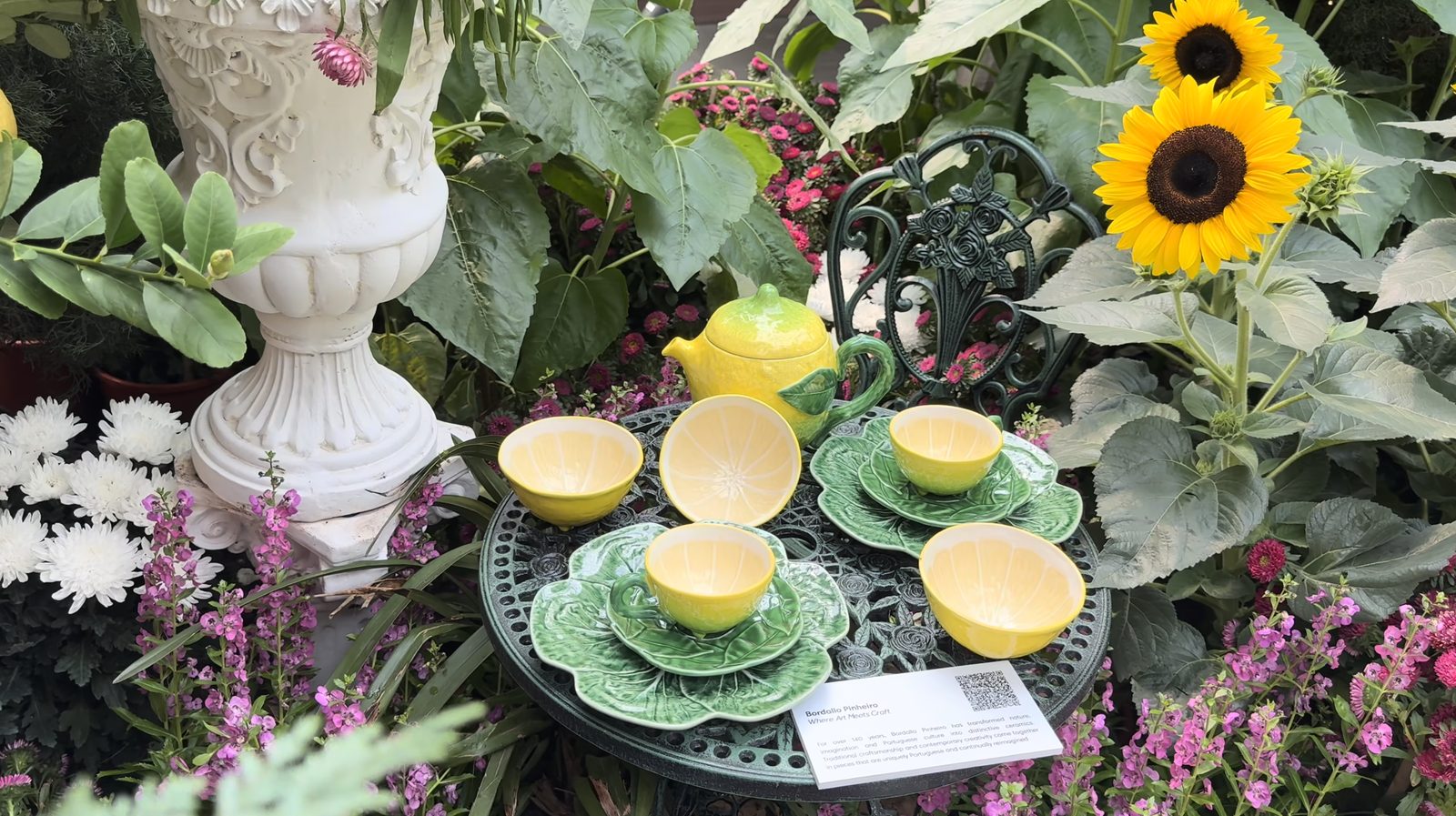
Cabbage plates and a lemon teapot
These are Bordallo Pinheiro ceramics, from the factory Rafael Bordallo Pinheiro founded in 1884. He was also a famous caricaturist, which explains plates that pretend to be vegetables.
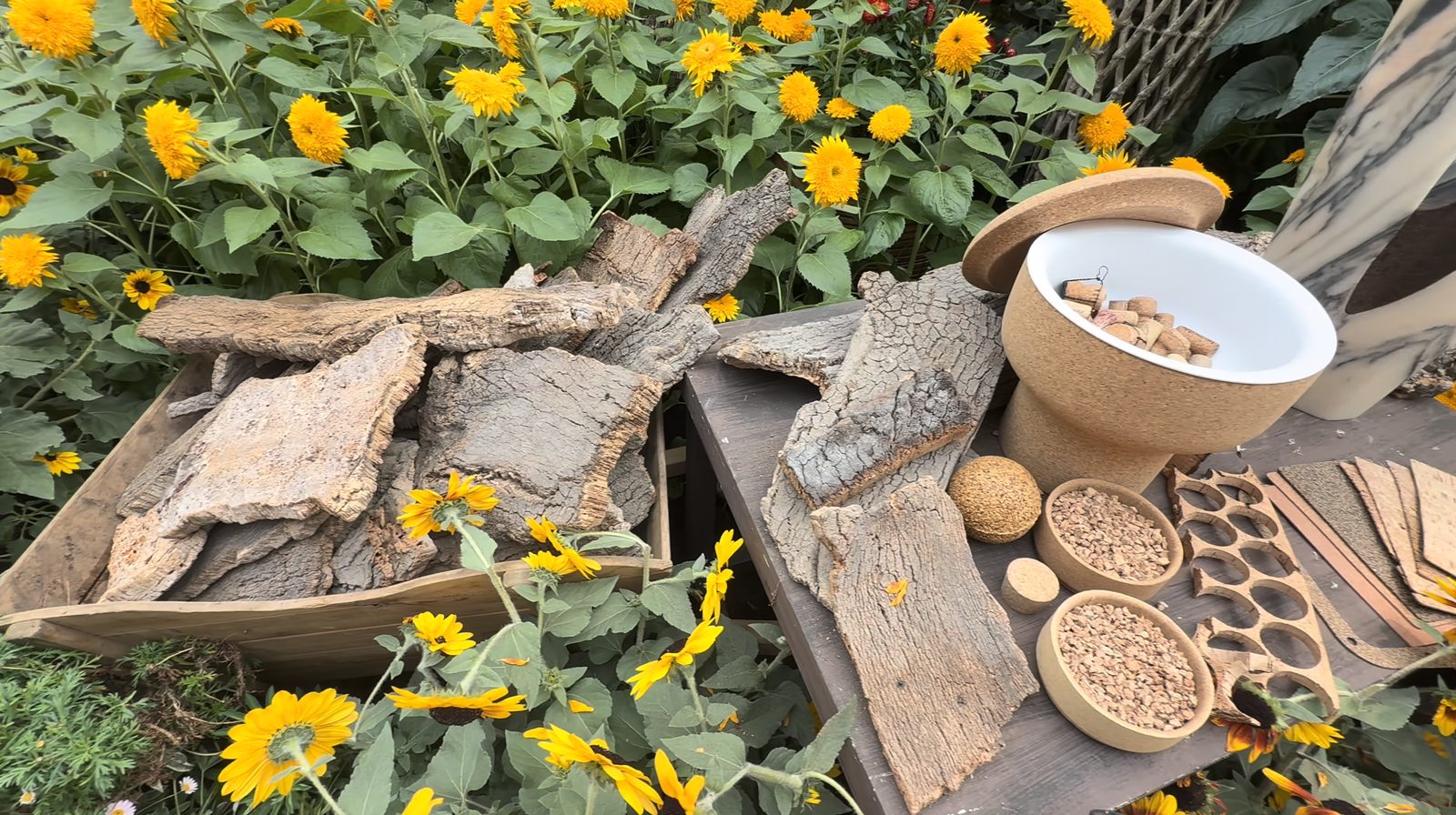
Cork, olives and wine
The back of the field holds an olive press, raw cork bark and a wine table. Read the "Cork Forests" panel. Its star is the Whistler Tree near Palmela, planted in 1783, 36 years before Raffles landed in Singapore. One of its harvests alone corked more than 100,000 bottles.
Costa Nova
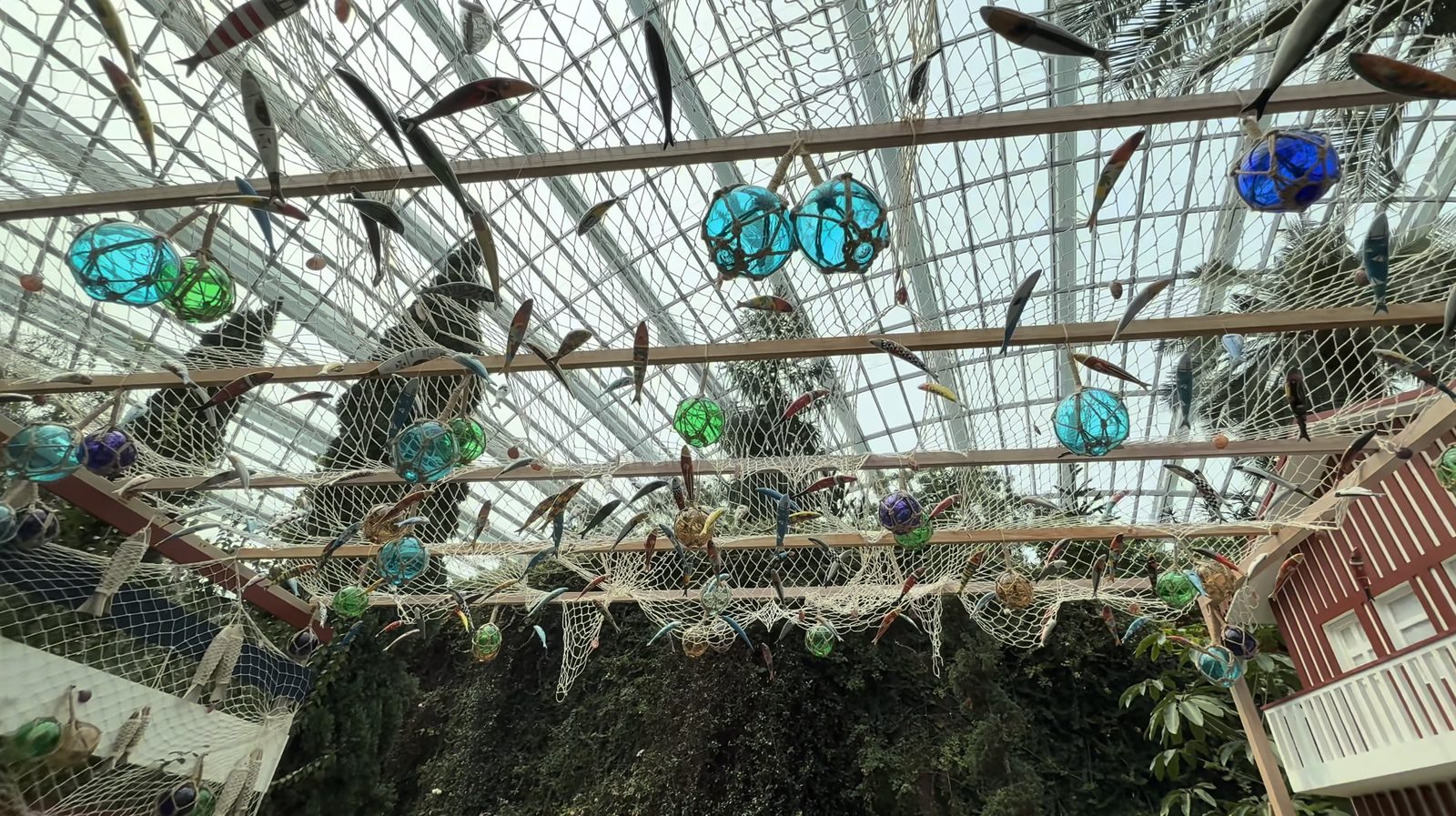
The striped palheiros were 19th-century huts for fishermen's nets and gear before families moved in. One popular story says the stripes helped fishermen find their own hut in the fog. Look up for the glass fishing floats.
Belém Lighthouse
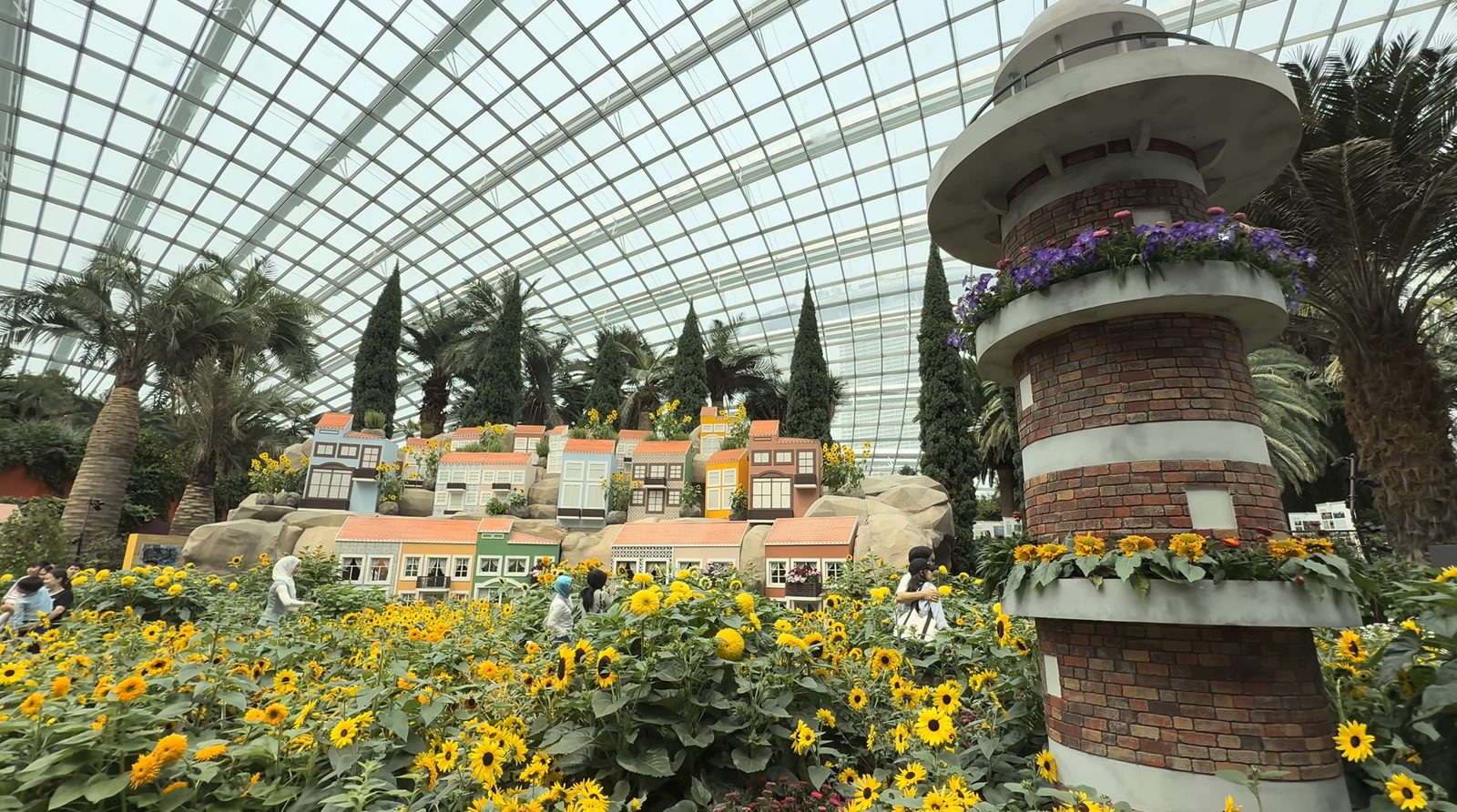
A 6m copy of Lisbon's Farol de Belém. The real one is usually described as a leftover from the 1940 Portuguese World Exhibition, and it was never an operating light. A replica of a decorative lighthouse, and still one of the best photos in the dome.
The ship's bow
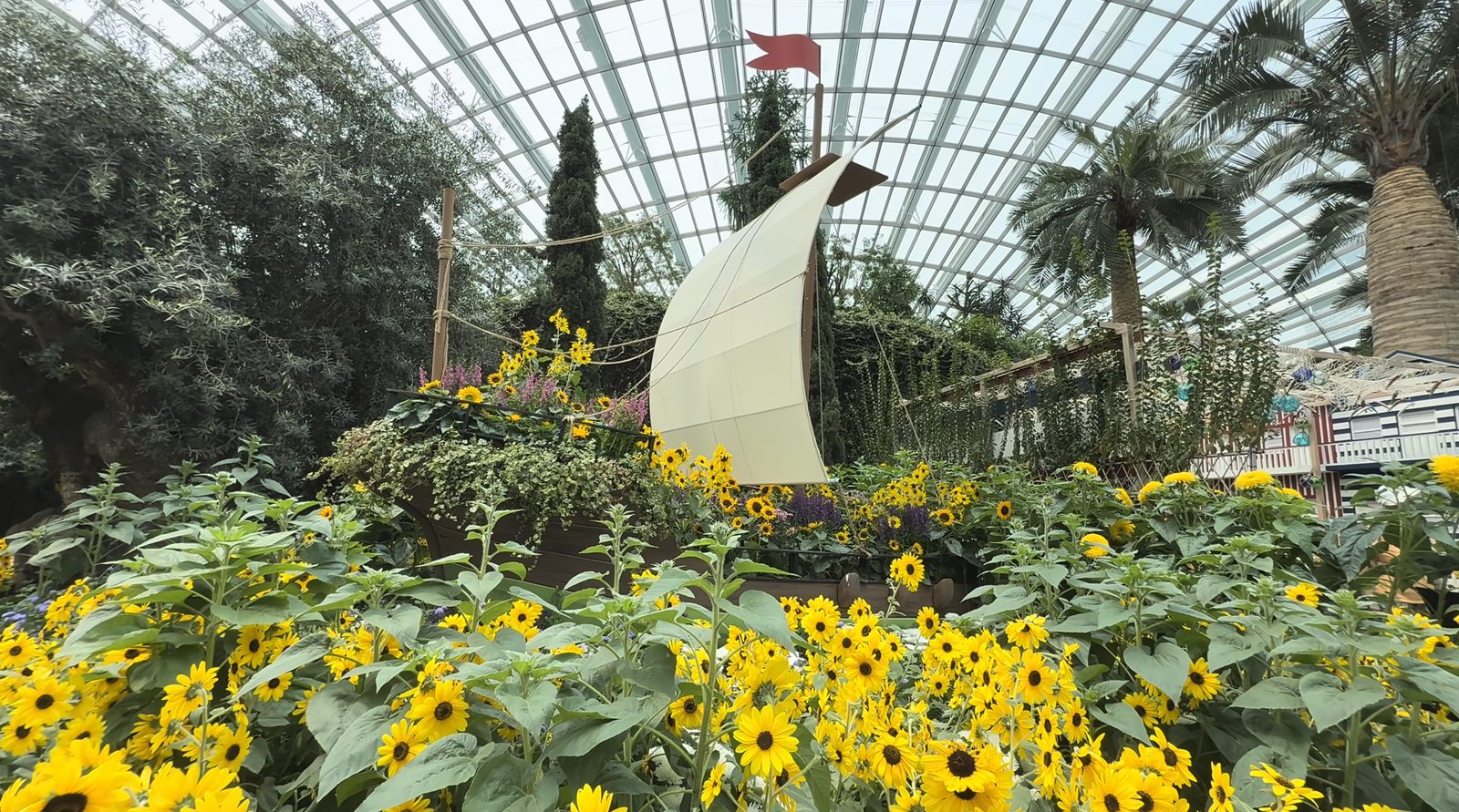
Gardens by the Bay calls it a carrack in one place and a caravel in another. The caravel was the small ship of Portugal's early exploring voyages; the carrack, or nau, was the big cargo ship of the spice trade. The most famous carrack in our waters, the Flor de la Mar ("Flower of the Sea"), sank off Sumatra in 1511 loaded with treasure from Melaka.
The Lisbon kiosk
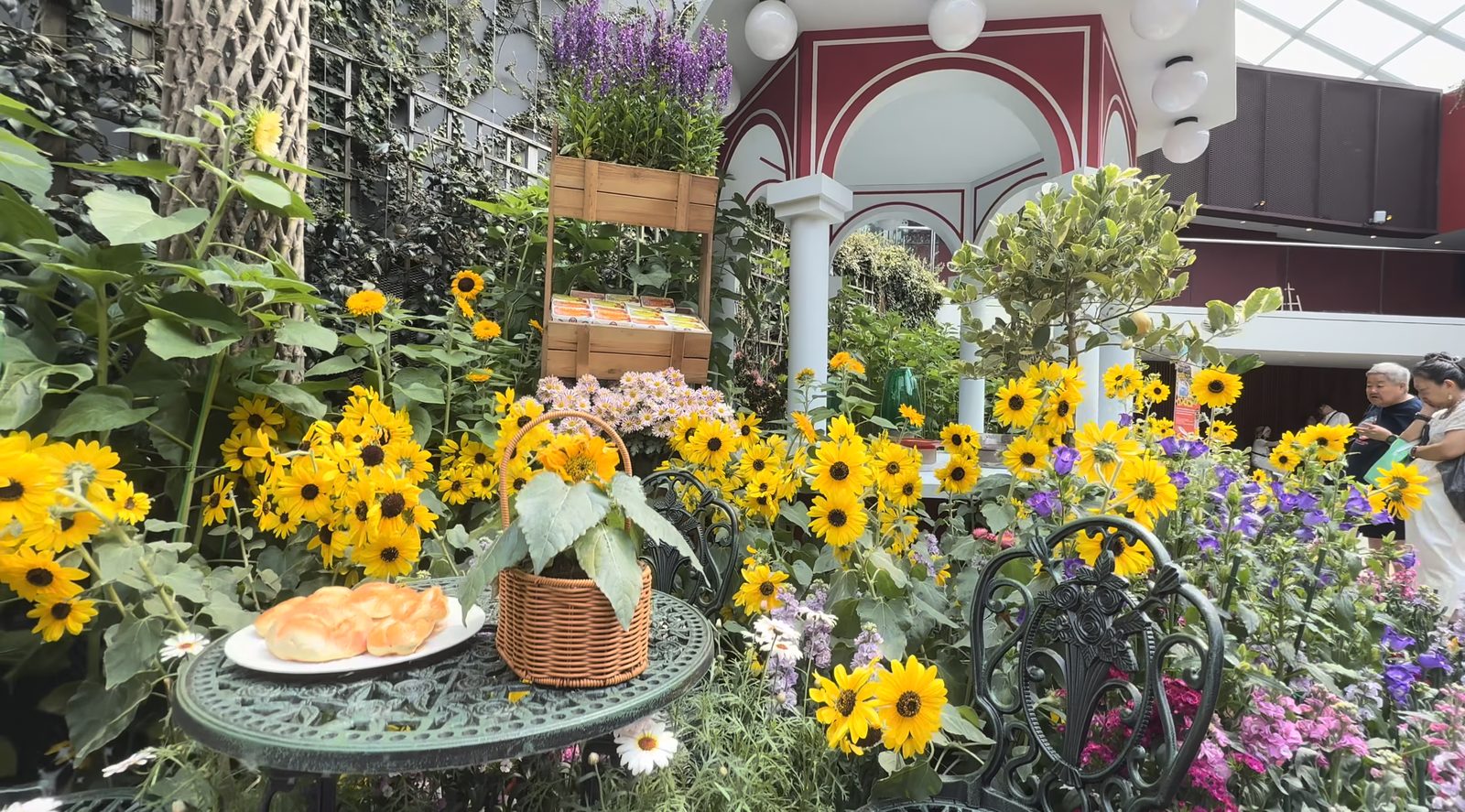
It's modelled on Lisbon's 19th-century quiosques de refresco, refreshment kiosks revived since 2009 along with old drinks like capilé, a maidenhair fern and orange blossom syrup.
The azulejo walls
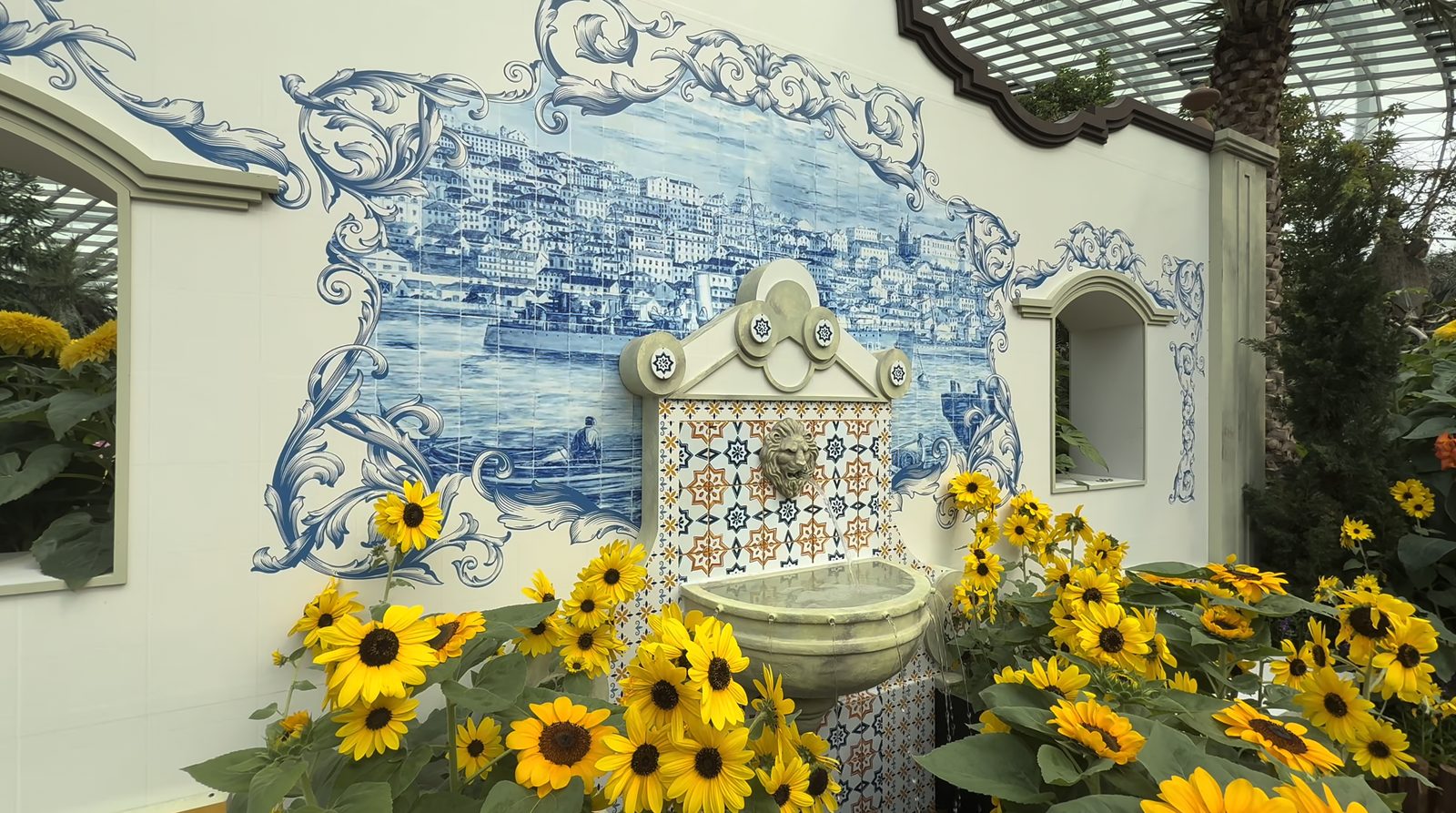
Portugal's painted azulejo tiles cover the entrance fountain and the arched photo spot. If they remind you of the Peranakan tiles on Singapore's shophouses, they're distant cousins: both are glazed decorative tiles, though most of Singapore's came from Europe and Japan.
Portugal doesn't leave Singapore on 9 November
Plenty of Portugal stays after the dome changes over: everyday Malay words like meja (table) and jendela (window), the Singlish lelong, a Portuguese Mission church on Victoria Street, and a 1604 map that names Blakang Mati, today's Sentosa.
Making a day of it? Carry on from the dome with our Marina Bay + Lau Pa Sat tour.
Tips from our visit
- Go high, then low. Get the overhead shot of Alfama and the lighthouse before you head down into the field.
- Come at opening on a weekday. The Flower Field paths are narrow and fill up quickly with photo-takers.
- Read the panels and scan the QR labels. The cork panel and the ceramics labels hold the best stories, and most people walk past them.
- Hunt the two contest boards. Scan the QR code and answer the question for a chance at return flights to Portugal. Entries close with the show on 9 November.
- Check the Experience Portugal programme. Time Out lists folk dance, poetry readings, a book discussion on Fernando Pessoa's The Book of Disquiet and two film screenings. Check timings on the Gardens by the Bay site on the day.
FAQ
When does Sunflower Surprise 2026 end?
Monday, 9 November 2026. The Flower Dome is open 9am–9pm daily.
Do I need a separate ticket?
No. Standard Flower Dome admission covers it: S$12 for resident adults, S$8 for resident children and seniors.
What is the theme this year?
Portugal, a first for Gardens by the Bay. The display marks 45 years of Singapore–Portugal diplomatic relations, with recreations of Alfama, Porto shopfronts, Costa Nova, the Belém Lighthouse and Portuguese farmland.
How many sunflowers are there?
More than 5,000, across 20 varieties, including 'Gold Lite', 'White Nite' and 'Sunfinity Red'.
How long should I spend inside?
About an hour for a walk-through; 90 minutes if you read the panels and hunt for the details in this guide.
Are sunflowers native to Portugal?
No. They're native to North America and reached Europe on Spanish ships around 1500.
More Flower Dome guides: Tulipmania at Gardens by the Bay · Sakura in Singapore: Hello Kitty & Friends Bloom at Gardens by the Bay
Sources and further reading
- Sunflower Surprise 2026, Gardens by the Bay – dates, prices, varieties, set pieces
- Sunflower Surprise: Garden by the Ocean, Time Out Singapore – Experience Portugal programme
- History of the Amazing Sunflower, National Sunflower Association
- Atamian et al. (2016), "Circadian regulation of sunflower heliotropism", Science
- Beautiful Mutants (fasciation), Lady Bird Johnson Wildflower Center
- A Pérola do Bolhão, Visit Porto
- Costa Nova, Centro de Portugal tourism
- Belém Lighthouse, Lighthouse Digest
- Lisbon's kiosks, NPR via WGBH
- Exploring Geometry with Peranakan Tiles, Science Centre Singapore
Facts from the "Cork Forests" panel come from the display itself. Prices and dates checked on 4 November 2026.